Does Acupuncture Affect Blood Pressure Safely?

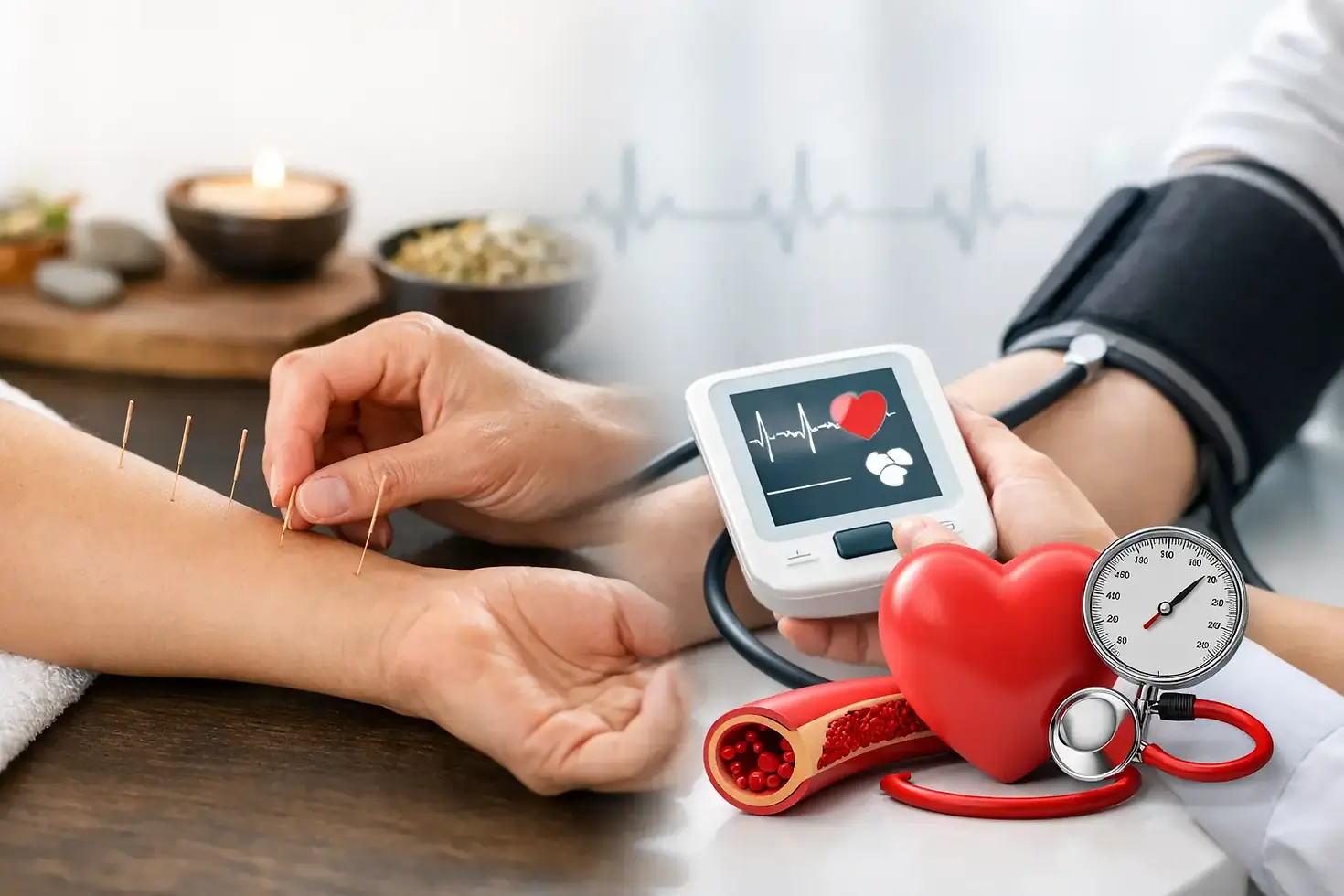
A blood pressure reading can feel like a verdict: one number, a quick cuff squeeze, and suddenly a new layer of worry. If you are looking for supportive ways to care for your health beyond medication alone, you may be asking, does acupuncture affect blood pressure? The short answer is that it may help support healthier blood pressure regulation for some people, especially when stress, sleep disruption, pain, and lifestyle patterns are part of the picture. But it is not a replacement for medical evaluation or prescribed treatment.
At The Point Acupuncture Clinic, we view blood pressure as one meaningful signal of whole-body balance. Your nervous system, circulation, hormones, activity level, nutrition, emotional health, and quality of rest all influence that signal. Acupuncture offers a gentle, personalized way to support the systems that help your body adapt and recover.
Does Acupuncture Affect Blood Pressure? What Research Suggests
Research on acupuncture and blood pressure is promising, but it is still developing. Some clinical studies suggest acupuncture may produce modest reductions in blood pressure, particularly for people with hypertension. Other studies have found less clear results. The differences often come down to the type of acupuncture used, how often treatment was provided, whether participants were taking medication, and how blood pressure was measured.
That nuance matters. Acupuncture should not be presented as a guaranteed cure for high blood pressure. Yet it can be a valuable part of an integrative care plan, especially for people whose readings rise alongside chronic stress, poor sleep, persistent pain, or nervous-system overload.
From an East Asian medicine perspective, healthy circulation depends on the smooth movement of Qi and blood throughout the body. When the body is under prolonged strain, that movement can become constrained or depleted. Acupuncture is selected to restore balance based on your unique pattern, not simply to chase a number on a monitor.
Why Stress Can Raise the Numbers
Your body is designed to respond to short-term stress. When you feel threatened, rushed, angry, or overwhelmed, the sympathetic nervous system prepares you to act. Heart rate may rise, blood vessels may tighten, muscles brace, and blood pressure can increase temporarily.
The challenge comes when that state becomes familiar. Work demands, caregiving, pain, financial worries, poor sleep, and constant notifications can leave the nervous system with little room to settle. Many people do not realize how tense they feel until they lie on an acupuncture table and notice their shoulders soften or their breathing deepen.
Acupuncture may support blood pressure indirectly by encouraging a calmer nervous-system response. Treatments are commonly associated with relaxation, improved sleep quality, and relief from muscle tension or chronic pain. Those benefits do not eliminate every cause of hypertension, but they can address meaningful contributors to elevated readings.
For a person whose blood pressure spikes during stressful weeks, this whole-person support may be particularly helpful. For someone with high blood pressure driven primarily by kidney disease, significant arterial changes, or another medical condition, acupuncture may still offer comfort and stress relief, but medical management remains essential.
Acupuncture Is Supportive Care, Not a Substitute for Medication
If you have been diagnosed with hypertension, continue taking medication exactly as prescribed unless the clinician who manages your blood pressure tells you otherwise. Do not stop, reduce, or change a medication because you begin acupuncture or because a few home readings improve.
Blood pressure can change for many reasons, including hydration, caffeine, exercise, pain, anxiety, sleep, and the time of day. A sustained improvement needs to be assessed over time by your medical provider. If your care plan includes acupuncture, it works best as a complement to regular monitoring, appropriate medical care, nourishing food, movement, and restorative sleep.
This collaborative approach gives you more support, not less. You deserve care that honors natural healing while taking your cardiovascular health seriously.
What an Acupuncture Visit May Look Like
A thoughtful treatment begins with more than a blood pressure question. Your practitioner may ask about sleep, digestion, stress, headaches, energy, pain, menstrual or menopausal symptoms, medications, exercise, and the circumstances surrounding your readings. This broader conversation helps identify patterns that may be keeping your body in a state of strain.
The acupuncture treatment itself is typically quiet and gentle. Very fine, sterile needles are placed at selected points on the body. Most people feel little more than a brief sensation at insertion, followed by warmth, heaviness, tingling, or deep relaxation. Your treatment plan may also include supportive recommendations around food, daily routines, breathing, movement, or other complementary therapies when appropriate.
Consistency is usually more meaningful than a one-time session. Some people notice a calmer state quickly, while longer-standing patterns often require a series of visits and steady lifestyle support. Your response, health history, and goals should guide the pace of care.
Habits That Can Strengthen Your Results
Acupuncture is most powerful when it is part of a life that gives your body room to regulate. Small, realistic changes are often more sustainable than an intense plan that disappears after a week.
Consider the foundations that make a difference: regular movement you can enjoy, meals built around whole foods, enough water, a consistent sleep window, and brief pauses that lower the intensity of your day. If alcohol, nicotine, excess caffeine, or highly processed foods are affecting your readings, a gradual reduction may help. Your primary care clinician can also advise you on nutrition and activity goals that are safe for your individual health.
Home monitoring can be useful when done correctly. Sit quietly for several minutes before checking, keep your feet flat on the floor, support your arm at heart level, and use the same time of day when possible. Rather than reacting to one unusual reading, look for trends and share them with your medical provider.
When to Seek Urgent Medical Care
Natural care has an important place, but certain symptoms need immediate attention. Call 911 or seek emergency care if a very high blood pressure reading is accompanied by chest pain, shortness of breath, severe headache, fainting, sudden weakness or numbness, confusion, trouble speaking, or changes in vision.
You should also contact your medical provider promptly for persistently elevated readings, new palpitations, worsening swelling, or symptoms that concern you. Acupuncture can be part of a supportive wellness plan, but urgent symptoms are never something to manage at home with relaxation techniques alone.
A Calmer Path Toward Whole-Body Balance
High blood pressure is not always caused by stress, and stress relief alone cannot resolve every case. Still, many people benefit from care that looks beyond the cuff and asks what their body has been carrying. Acupuncture may help create conditions for deeper rest, less pain, steadier energy, and a more regulated nervous system - all meaningful supports for long-term well-being.
If you are ready to explore a natural complement to your existing blood pressure care, a personalized acupuncture plan can meet you where you are. Relief often begins with giving your body a safe, consistent opportunity to do what it was designed to do: restore balance and reclaim vitality.


Comments