
Acupuncture for Anxiety Symptoms and Lasting Calm

When your mind is racing, your chest feels tight, and even a quiet evening does not feel restful, anxiety can affect far more than your mood. Acupuncture for anxiety symptoms offers a gentle, personalized way to support the nervous system while addressing the physical patterns that often keep stress circulating through the body.
At The Point Acupuncture Clinic, we meet many people who are tired of being told to simply relax when their body clearly does not feel relaxed. They may be sleeping lightly, struggling with digestive upset, dealing with headaches or muscle tension, or feeling emotionally worn down by a constant sense of urgency. You deserve care that sees these symptoms as connected, not separate problems to manage one at a time.
How Anxiety Can Show Up in the Body
Anxiety does not look the same for everyone. For some, it appears as worry that is difficult to turn off. For others, it is a physical experience: a pounding heart, shallow breathing, jaw tension, nausea, fatigue, or the feeling of being on edge for no obvious reason.
Long-term stress can keep the body in a heightened state of alert. When that happens, sleep may become less restorative, digestion can become irregular, pain may feel more intense, and emotional resilience can shrink. A person may know they are safe, yet their nervous system continues to behave as if it needs to stay on guard.
This is one reason a whole-body approach can be so meaningful. Rather than viewing anxiety as only a thought pattern, East Asian medicine considers the relationships among sleep, digestion, energy, circulation, pain, hormonal shifts, and emotional well-being. Your treatment is designed around the pattern you are experiencing, not just the label attached to it.
How Acupuncture for Anxiety Symptoms May Help
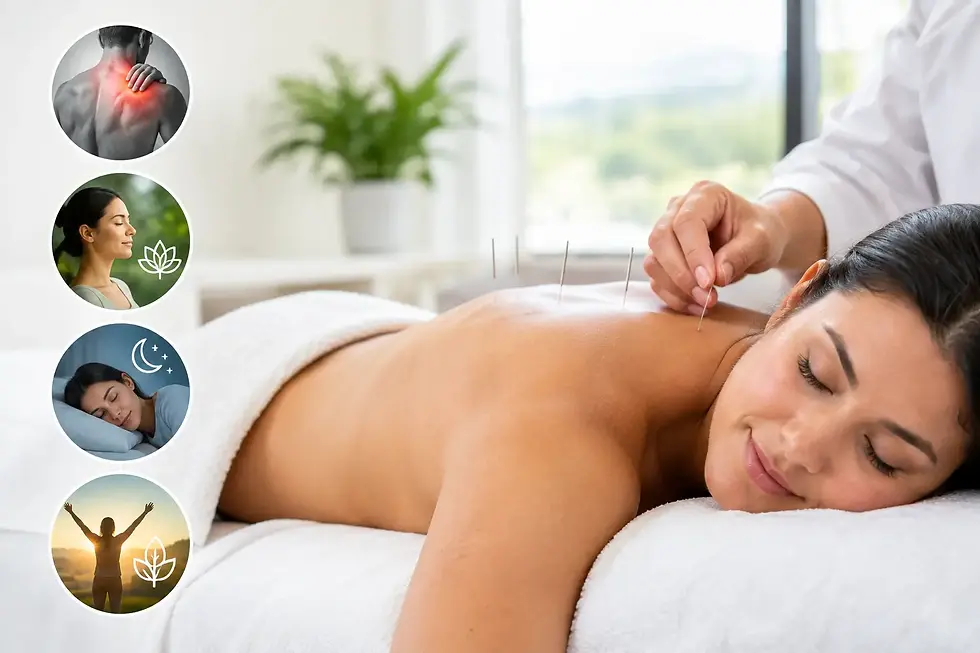
Acupuncture uses very fine, sterile needles placed at specific points on the body. Many patients are surprised by how comfortable the experience is. Once the needles are in place, people often describe a sense of heaviness, warmth, quiet, or deep relaxation.
From a modern perspective, acupuncture may support the body’s stress response by encouraging a shift out of constant fight-or-flight activation. It may help ease physical tension, promote more restful sleep, and support a steadier sense of calm. Research on acupuncture and anxiety is promising, but results vary, and acupuncture should not be presented as a guaranteed cure or a replacement for needed mental health care.
From the perspective of Chinese medicine, anxiety symptoms may be associated with patterns involving the Heart, Liver, Spleen, Kidney, or the flow of Qi throughout the body. These terms describe functional relationships within the body, including how you process stress, recover from exertion, sleep, digest food, and regulate emotion. An acupuncturist uses your symptoms, health history, pulse, tongue, and daily patterns to create a treatment plan that fits you.
The goal is not to make you feel numb or disconnected from your emotions. The goal is to help your system become less reactive, so you have more space to respond to life with clarity and steadiness.
What a Personalized Treatment May Include
Your first visit begins with a conversation. We want to understand when your symptoms began, what makes them better or worse, how you are sleeping, what your energy and digestion are like, and what else may be contributing to the imbalance. Anxiety can be influenced by chronic pain, hormonal changes, nutritional stress, unresolved emotional experiences, overtraining, illness, and major life transitions.
Acupuncture may be the central part of care, but it is not always the only tool that is helpful. Depending on your needs, your practitioner may recommend complementary support such as Chinese medical massage, also called Tui Na, moxibustion, cupping, laser acupuncture, Nutritional Response Testing, or Neuro Emotional Technique. These services are selected thoughtfully, not added automatically.
For example, someone whose anxiety worsens with neck and shoulder tension may benefit from acupuncture and bodywork to help release physical holding patterns. Someone who feels depleted, lightheaded, or anxious when they skip meals may need nutrition-focused support alongside treatment. If emotional stress feels tied to a specific event or recurring trigger, Neuro Emotional Technique may be considered as part of a broader healing plan.
This is what root-cause care can look like in practice: listening closely, looking for connections, and supporting the areas of the body that need restoration.
What You May Feel During and After a Session
Most people find acupuncture deeply calming. You may feel a brief pinch when a needle is placed, followed by little or no sensation. During treatment, some patients become so relaxed that they fall asleep. Others notice their breathing deepen or their thoughts become less urgent.
Afterward, you may feel lighter, sleepier, or more grounded. Some people notice a positive shift after one session, especially when tension and poor sleep are major concerns. For more persistent anxiety, results often build gradually with consistent care. The appropriate frequency depends on the intensity of your symptoms, your overall health, and how your body responds.
It is also possible to have an emotional release, temporary fatigue, or mild soreness at a needle site. These reactions are usually short-lived, but you should always tell your practitioner what you experience so your care can be adjusted.
Making Your Calm More Sustainable Between Visits
Acupuncture can create a valuable pause for an overloaded nervous system. Lasting change is often supported by small, repeatable habits outside the treatment room as well. You do not need a perfect wellness routine to begin feeling better.
Start by noticing what tells your body that it is safe. That may be a regular bedtime, a protein-rich breakfast, time outside in the morning, a walk after work, a few slow breaths before a difficult conversation, or reducing the amount of stimulation you take in at night. These practices may sound simple, but consistency gives the nervous system signals it can learn to trust.
Pay attention to the physical drivers of your anxiety, too. Caffeine, skipped meals, blood sugar swings, dehydration, chronic pain, hormonal changes, and insufficient recovery after exercise can all make a sensitive system feel more activated. Your care plan may include practical recommendations that support your energy and resilience without asking you to overhaul your entire life overnight.
The best plan is one you can actually follow. A gentle, realistic rhythm is more supportive than pushing yourself toward another standard you feel pressured to meet.
When Acupuncture Should Be Part of a Larger Care Plan
Acupuncture can be a meaningful complement to counseling, psychiatric care, primary care, and prescribed medication. Some people seek it because they want non-medication support. Others use it alongside medication and therapy as part of a more complete approach to their health. Both paths can be appropriate.
Do not stop or change prescribed medication without speaking with the clinician who manages it. If you are pregnant, have a bleeding disorder, use blood-thinning medication, have a pacemaker, or have a complex medical history, let your acupuncturist know before treatment so your plan can be tailored safely.
If anxiety is accompanied by thoughts of harming yourself or someone else, severe panic that feels unmanageable, confusion, chest pain, trouble breathing, or other urgent symptoms, seek immediate emergency or crisis support. Holistic care is powerful, and it works best when it is part of responsible, timely care for your full situation.
A Calmer Body Can Change the Way Life Feels
Anxiety can make daily life feel smaller. You may avoid social plans, lose confidence in your body, or spend so much energy getting through the day that there is little left for the people and experiences you love. Support does not have to begin with a dramatic change. It can begin with one appointment, one honest conversation, and one chance to let your body rest.
Acupuncture for anxiety symptoms is not about forcing calm. It is about giving your body compassionate, skilled support as it remembers how to settle, restore, and reclaim its natural vitality.


Comments