
Sports Acupuncture Recovery Treatment Explained

A hard training session should leave you feeling accomplished, not trapped in a cycle of soreness, stiffness, and guarded movement. Sports acupuncture recovery treatment offers a gentle, personalized way to help your body settle after demanding activity, whether you are training for an event, lifting regularly, playing a weekend sport, or simply trying to stay active without pain taking over.
Recovery is not only about getting rid of a sore muscle. It is about restoring comfortable movement, supporting circulation, calming an overworked nervous system, and giving your body the right conditions to repair. At The Point Acupuncture Clinic, care is built around the whole person, because the pain you feel in one area may be influenced by training load, old injuries, stress, sleep, nutrition, and movement patterns elsewhere in the body.
What Sports Acupuncture Recovery Treatment Can Support
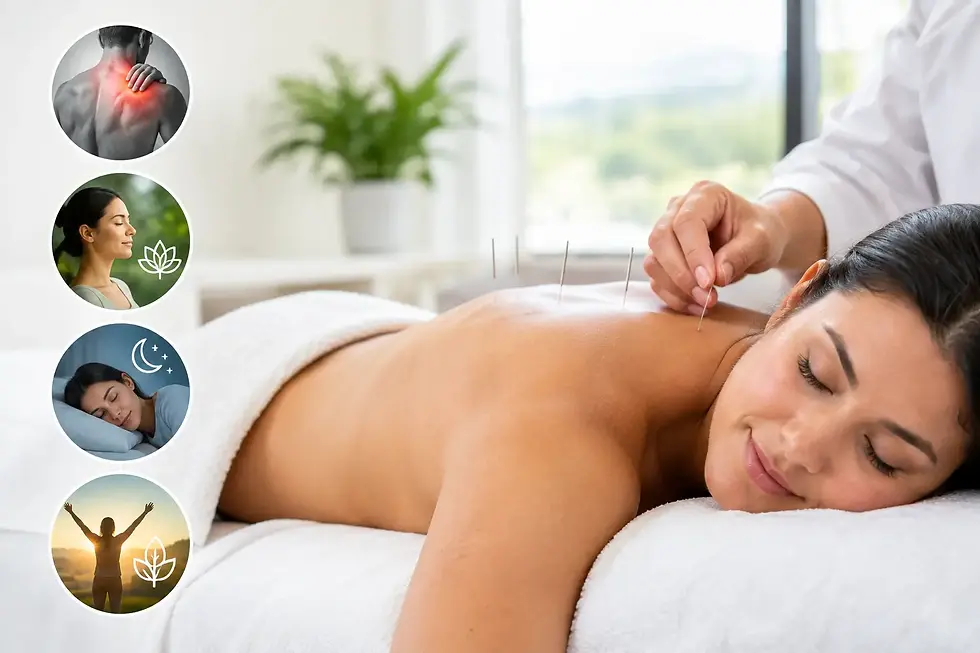
Acupuncture has been used for centuries to address pain, tension, and internal imbalance. In a sports recovery setting, very thin, sterile needles are placed at selected points based on your symptoms, the tissues involved, and how your body is responding to activity. Many people find the experience surprisingly relaxing.
A treatment plan may support recovery from muscle tightness, joint discomfort, repetitive strain, tendon irritation, reduced range of motion, and the lingering fatigue that can make every workout feel harder than it should. It can also be useful when an old issue begins to flare after a change in mileage, a new strength routine, a tournament, or a physically demanding job.
The goal is not to push you back into training before your body is ready. It is to reduce the barriers that keep you from moving well, then help you return with more confidence and awareness. For some people, that means calming an acute flare-up. For others, it means addressing the recurring shoulder, hip, knee, or low back tension they have learned to work around.
Why Recovery Sometimes Stalls
Muscle soreness after a challenging workout can be normal. Pain that keeps returning, changes the way you move, or lasts longer than expected deserves a closer look. Athletes and active adults often compensate without realizing it. A stiff ankle may change how the knee tracks. A tight hip may add strain to the low back. A stressful week with poor sleep can make normal training feel unusually punishing.
This is where a root-cause approach matters. Rather than treating every ache as an isolated problem, sports acupuncture recovery treatment considers the larger picture: where you feel discomfort, what movement triggers it, what happened before it began, and what may be slowing recovery now.
Training volume matters, but so do rest, hydration, fueling, emotional stress, and the quality of your movement. No single therapy replaces smart programming or appropriate medical care. Acupuncture can be a valuable part of a broader recovery plan when it is matched to your actual needs.
What to Expect During a Visit
Your first appointment begins with a conversation. You may be asked about your activity level, recent changes in training, previous injuries, pain patterns, sleep, stress, digestion, and health history. This information helps create a plan that fits your body rather than a one-size-fits-all protocol.
Treatment may include acupuncture along with complementary therapies such as Chinese medical massage, or Tui Na, cupping, moxibustion, or laser acupuncture when appropriate. Each modality has a different purpose. Tui Na may help address tight, restricted soft tissue. Cupping may be used to encourage circulation and ease muscular tension. Moxibustion provides gentle warmth that can feel especially comforting in areas that feel stiff, cold, or chronically achy.
You may notice a mild pinch as needles are inserted, followed by heaviness, warmth, tingling, or a deep sense of relaxation. Many patients rest quietly during treatment and leave feeling looser or calmer. Others notice changes gradually over the following day or two. Responses vary, especially when pain has been present for months or years.
Afterward, you may be encouraged to hydrate, avoid overdoing intense activity that day, and pay attention to how your body responds. Your practitioner may also discuss simple movement adjustments, recovery habits, or nutritional support that complements your care.
Timing Acupuncture Around Training
There is no perfect schedule for every active person. Some people benefit from treatment after a hard event or demanding training block, when soreness and tightness are prominent. Others use acupuncture between workouts to maintain mobility and manage the recurring tension that can build with regular activity.
If you are dealing with a fresh injury, timing depends on the severity and symptoms. A careful evaluation is essential. Acute swelling, significant bruising, inability to bear weight, visible deformity, loss of strength, numbness, or sudden severe pain may require prompt medical assessment before or alongside acupuncture care.
For ongoing concerns, consistency often matters more than a single session. A person with a recent mild strain may feel meaningful relief quickly, while someone managing years of low back pain, repeated ankle sprains, or chronic tendon irritation may need a more gradual plan. The right pace should respect your goals without asking your body to ignore its warning signs.
Recovery Is More Than a Treatment Table
Acupuncture works best as part of an honest recovery conversation. If you are under-fueling, sleeping poorly, training through sharp pain, or returning too quickly after an injury, your body may keep sending the same message. Treatment can help reduce discomfort and support balance, but it cannot make an unsustainable routine sustainable.
A thoughtful recovery plan may include better rest days, gentle mobility work, gradual loading, adequate protein and hydration, and support for stress regulation. This does not mean you have to give up the activities you love. It means creating a foundation that lets you keep doing them with less fear and less physical friction.
For people who feel frustrated by the choice between medication alone and simply waiting things out, integrative care can offer another path. Acupuncture is non-invasive, individualized, and designed to work with the body’s natural healing response. It can also be used alongside care from a physician, physical therapist, trainer, or other qualified provider when coordination is needed.
A Clearer, More Confident Return to Movement
Sports recovery is not about chasing perfection or never feeling sore again. It is about learning the difference between the normal challenge of training and the signals that ask for support. When your body is less guarded, your movement is more comfortable, and your recovery habits are more intentional, activity can become a source of vitality again rather than another source of pain.
You deserve care that listens to your goals, respects your limits, and helps you reclaim the strength and freedom to move well.


Comments