
Can Acupuncture for Menopause Symptoms Help?

A hot flash can interrupt a meeting, wake you at 2 a.m., or leave you feeling suddenly unlike yourself. For many women, menopause is not one symptom but a shifting mix of sleep changes, mood swings, joint discomfort, fatigue, brain fog, and temperature surges that can affect every part of daily life. Acupuncture for menopause symptoms offers a gentle, personalized way to support your body through this transition while helping you reclaim more comfort, steadiness, and vitality.
Menopause is a natural phase of life, but that does not mean you have to simply endure its effects. At The Point Acupuncture Clinic, care begins by listening closely to your experience, your health history, and the patterns behind your symptoms. The goal is not to suppress what your body is communicating. It is to support internal balance and help you feel more like yourself again.
How Acupuncture for Menopause Symptoms May Help
In East Asian medicine, menopause is viewed as a time when the body's nourishing and regulating systems may need additional support. Acupuncture uses very fine, sterile needles at specific points to encourage circulation, calm the nervous system, and support the body's natural regulatory processes. Treatments are tailored to the person in front of us, not to a generic menopause checklist.
Many patients seek acupuncture for hot flashes and night sweats, but the potential benefits can reach beyond temperature changes. When sleep is disrupted night after night, stress tolerance, energy, focus, and mood often suffer too. A treatment plan may address these connected concerns together rather than treating each one as a separate problem.
Research on acupuncture for menopausal symptoms is still developing, and results vary from person to person. Some studies suggest acupuncture may reduce the frequency or severity of hot flashes and improve sleep and quality of life for some women. It should not be presented as a guaranteed cure, and it may not replace medical care that is appropriate for your needs. Still, many women find it to be a valuable non-medication option or a supportive complement to conventional treatment.
Symptoms That Often Bring Women In
No two menopause experiences are identical. One woman may have intense hot flashes but sleep well. Another may feel exhausted, anxious, sore, and mentally foggy without frequent temperature swings. Acupuncture care is designed to meet that individual picture.
Common concerns that may be addressed include hot flashes and night sweats, restless sleep, irritability or heightened stress, low energy, headaches, muscle tension, joint aches, digestive changes, and a sense of feeling emotionally out of balance. Some women also seek care during perimenopause, when cycles become less predictable and symptoms can begin years before periods stop completely.
It is also common for menopause to amplify issues that were already present. If you have a history of migraines, anxiety, digestive discomfort, chronic pain, or poor sleep, hormonal changes may make those patterns more noticeable. Looking at the whole body can be especially meaningful during this season of change.
What a Personalized Treatment Plan Can Include
Your first visit is an opportunity to tell the full story. We consider your symptoms, sleep quality, stress level, digestion, energy, health history, and personal goals. We also pay attention to timing. Are night sweats your main concern? Is fatigue making exercise feel impossible? Are you struggling with worry, low mood, or a short temper that does not feel like you?
Acupuncture is often the foundation of care, but a whole-body plan may include other supportive therapies when appropriate. Chinese medical massage, or Tui Na, may help release tension that contributes to headaches, neck pain, or poor sleep. Cupping or moxibustion may be considered based on your individual presentation. Nutritional Response Testing and targeted supplement guidance can also help identify areas where nutritional support may be useful.
This integrative approach matters because menopause rarely happens in isolation. A woman who is depleted from poor sleep may need a different kind of support than someone whose main struggle is tension, overheating, and stress. Your care should reflect that.
What Does Treatment Feel Like?
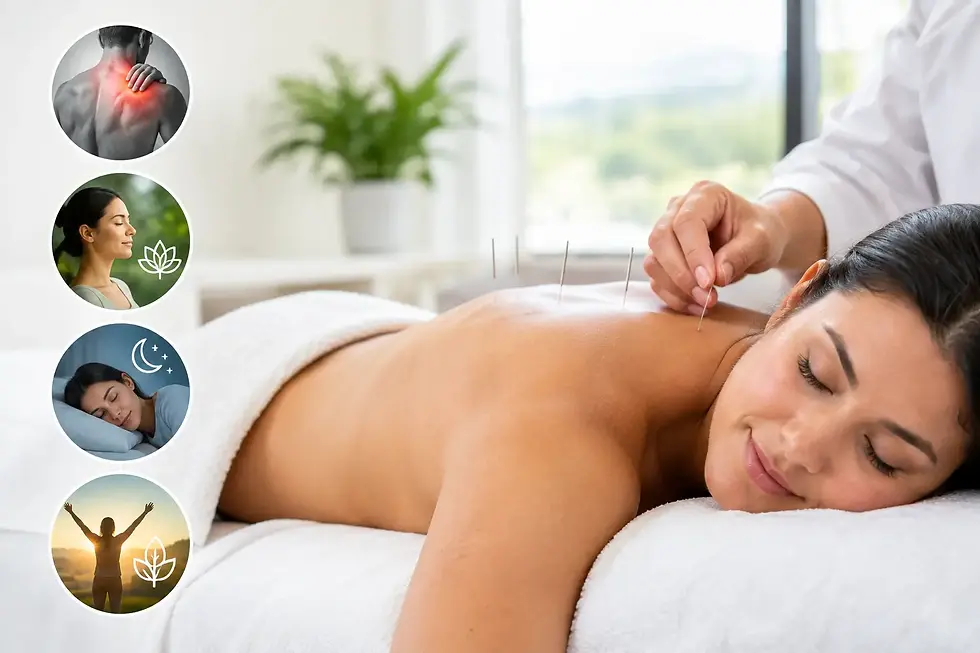
If you are new to acupuncture, it is normal to feel uncertain about the needles. Acupuncture needles are much thinner than the needles used for injections. Most people feel little to no discomfort as they are placed. You may notice a brief pinch, warmth, heaviness, tingling, or a deep sense of relaxation.
Treatments are generally quiet and restorative. Many patients use the time as a pause from the demands of work, caregiving, and constant decision-making. Some feel calmer immediately after a session, while others notice gradual changes over several visits. Progress is often measured in practical ways: fewer wake-ups, less intense hot flashes, steadier energy, a clearer mind, or more patience at the end of the day.
The number of treatments depends on your symptoms, how long they have been present, your overall health, and your response to care. Consistency is usually more helpful than expecting a single visit to resolve a complex pattern. Your practitioner can recommend a schedule that feels realistic and aligned with your goals.
Acupuncture and Conventional Menopause Care
Holistic care and conventional medicine do not have to be opposing choices. Some women use acupuncture because they prefer to avoid hormone therapy or certain medications. Others receive acupuncture alongside hormone therapy, prescribed sleep support, counseling, or other medical care. The right path depends on your symptoms, personal and family health history, and what feels appropriate for you.
Talk with your primary care provider or gynecologist about symptoms that are new, severe, or concerning. Heavy bleeding, bleeding after menopause, chest pain, unexplained weight loss, persistent pelvic pain, fainting, or significant depression deserve medical evaluation. Acupuncture can be a meaningful part of your wellness plan, but it is not a substitute for urgent or necessary medical care.
Be sure to tell your acupuncturist about medications, hormone therapy, blood-thinning medications, supplements, and medical diagnoses. This helps your care remain thoughtful, coordinated, and safe.
Small Daily Supports That Can Make a Difference
Acupuncture works best as part of a compassionate approach to your whole health. You do not need a perfect routine to support your body. Small, repeatable choices can reduce the strain that makes symptoms feel harder to manage.
A consistent sleep and wake time can help your nervous system settle, even if sleep is not yet perfect. Gentle movement such as walking, strength training, stretching, or yoga can support mood, bone health, and energy. Regular meals with adequate protein, fiber, and hydration may help prevent the energy crashes that can intensify irritability or fatigue.
Pay attention to your personal triggers without becoming overly restrictive. Alcohol, spicy foods, caffeine, warm bedrooms, and high-stress moments can worsen hot flashes for some women, but not everyone. Tracking symptoms for a few weeks can reveal useful patterns and give your practitioner a clearer picture of what your body needs.
You Deserve Support Through This Transition
Menopause can ask you to adapt to a body that feels unfamiliar for a while. That experience can be frustrating, but it can also become an invitation to listen more closely to what you need. With gentle, individualized care, acupuncture may help create more room for rest, resilience, and relief.
You deserve to move through this chapter with support rather than resignation. A thoughtful treatment plan can help you feel heard, cared for, and more connected to your own capacity for renewal.


Comments